Call Us: (267) 727-3738

Imaging Day Made Easy: Preparing Your Pet and FAQs
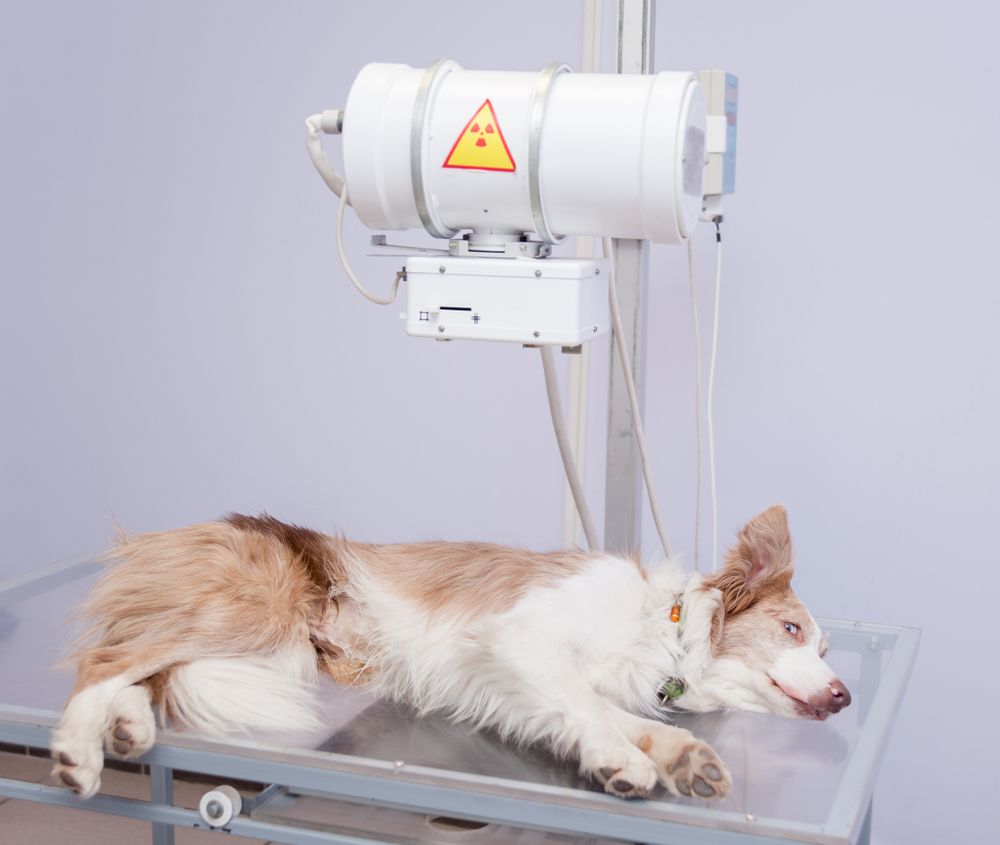
Diagnostic imaging is an important tool that helps veterinarians see what’s going on inside your pet’s body. At PASE we offer multiple forms of diagnostic imaging, including X-Ray (radiographs), diagnostic ultrasound, CT (Computed tomography), and MRI (magnetic resonance imaging).
Whether your pet is scheduled for an outpatient ultrasound (OPUS) with the Diagnostic Imaging service, or diagnostic imaging is planned for visit with one of our other services, a little preparation ahead of time can help the visit go more smoothly, keep your pet safer and more comfortable, and improve the accuracy of the results.
Why Preparation Matters
Diagnostic imaging works best when we can obtain clear, detailed images. Factors like movement, a full stomach, stress, or discomfort can reduce image quality and sometimes mean the study needs to be repeated.
Fasting Before Imaging
For many imaging studies - especially ultrasounds, procedures that may require sedation, CT, or MRI - fasting is essential. During the fasting period, please avoid treats, table scraps, or flavored medications unless your care team has approved them.
Your veterinarian or PASE team will provide specific instructions, including:
● How long to withhold food (often 8–12 hours)
● Whether water is allowed (almost always allowed, unless otherwise directed)
● Special consideration for diabetic patients receiving timed insulin
● Special considerations for puppies and kittens
If you have questions about fasting, please contact us.
Medications: What to Give (and What to Skip)
Some medications should be continued as usual, while others may need to be held before imaging. To keep things safe and avoid delays:
● Confirm medication instructions with your care team ahead of time
● Bring a complete list of all medications and supplements your pet takes, including the dose and when each one is given
● If giving oral medication during a fast, provide it in as little food as possible.
Reducing Stress Before Your Pet’s Imaging Appointment
Stress can interfere with imaging quality and make the visit more challenging for your pet. A few simple steps can help:
● Take your dog for a short walk before arrival (unless activity is restricted)
● Bring a familiar blanket or towel for comfort, especially in a carrier (personal belongings will not be able to go with your pet into the clinical space)
● Keep cats in their carrier during transport to help them feel secure
Plan For Extra Time
Some imaging appointments take longer than a routine visit, especially if sedation or specialized procedures are needed. Building extra time into your schedule helps prevent rushing, which can increase stress for both you and your pet. For cases received a CT, MRI, or Ultrasound guided procedure, we often require that you leave your pet with us for the day. Please discuss this with your care team before your appointment.
Comfort and safety are always our top priority, and obtaining a clear, informative imaging study helps guide the best possible care and next steps.
Frequently Asked Questions
1. Will my pet need sedation for x-rays (radiographs) or ultrasound?
a. Not always. Many pets do well for imaging while awake. Sedation may be recommended if your pet is anxious, painful, or has trouble staying still.
2. Will my pet need sedation or anesthesia for CT or MRI?
a. All pets receiving a CT or MRI will require full anesthesia to keep them perfectly still during these advanced imaging tests.
3. Is diagnostic imaging safe for my pet?
a. Yes. Diagnostic imaging is widely used and considered very safe. Any risks associated with sedation or anesthesia will be discussed with you beforehand.
4. Can I stay with my pet during the imaging study?
a. No—pet owners aren’t able to stay with their pet during the imaging study. We know this can be difficult, but it allows our team to work safely and obtain the clearest, most accurate images as efficiently as possible.
5. How long will the appointment take?
a. Timing varies depending on the study being performed. Some imaging appointments take about 30–60 minutes, while others may take longer if sedation or additional procedures are involved. CT, MRI, and some ultrasounds may require a drop-off or day visit
6. When will I get the results?
a. Timing for results depends on the type of imaging exam. For most cases, we will be able to provide preliminary results the same day, however formal reports from a board certified veterinary radiologist may take several days, depending on the exam.
b. For pre-scheduled outpatient ultrasounds, the report will be generated the same day and shared with your pet's primary care veterinarian, who will then go over the results with you.

Phone
Hours
24 Hours A Day / 7 Days A Week
Affiliate Hospital
NorthStar VETS
(609) 259-8300
3 New Jersey Locations
northstarvets.com
© 2026 Philadelphia Animal Specialty & Emergency. All rights Reserved.
Privacy Policy - Sitemap
Powered by