Call Us: (267) 727-3738

PASE Blog
Philadelphia Animal Specialty & Emergency Blog
Learn more about veterinary care in our blog!

When a dog presents with blood in the urine, straining to urinate, increased urinary frequency, or recurrent urinary accidents, a urinary tract infection is often one of the first considerations. But when those signs persist or repeatedly return, veterinarians may need to look beyond infection.

Inflammatory diseases of the central nervous system can present in dramatically different ways—from seizures and vestibular signs to generalized tremors, fever, or severe cervical pain.
Feline lower urinary tract disease (FLUTD) and urethral obstruction (UO) remain among the most common—and sometimes most debated—emergencies encountered in small animal practice.
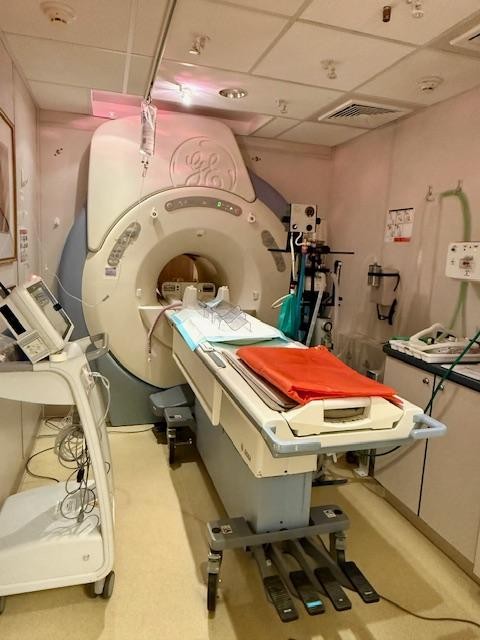
Magnetic resonance imaging (MRI) is an advanced, noninvasive diagnostic imaging modality that has become an invaluable resource in veterinary specialty practice. Its superior soft-tissue contrast makes MRI particularly useful for neurologic and musculoskeletal cases where radiographs, ultrasound, or computed tomography (CT) may be inconclusive or unrewarding.

Learning that your pet has cancer or may have cancer can bring many questions and uncertainties. At Philadelphia Animal Specialty & Emergency, our veterinary oncology team provides compassionate, evidence-based care while helping pet owners understand their options. Our goal is to protect your pet's quality of life while creating a treatment plan tailored to their diagnosis and individual needs.
After major surgery, your pet needs more than rest. Careful post-op care helps protect the surgical site, reduce stress, and support a smoother recovery at home. For pet owners in Philadelphia, knowing how to keep a dog or cat calm and cool after surgery is especially important during warm weather, busy household routines, and the first few days after discharge.
When a pet begins showing signs of a neurological problem, it can be frightening and confusing. Symptoms such as seizures, weakness, trouble walking, back or neck pain, balance issues, or sudden behavior changes may point to a condition affecting the brain, spinal cord, nerves, or muscles. The right treatment depends on the cause, which is why an accurate diagnosis is the first step.

Hearing that your pet may need chemotherapy can feel overwhelming. Many pet owners immediately think of the side effects people often experience during cancer treatment, but chemotherapy for pets is usually approached differently. In veterinary oncology, the goal is often to help manage cancer while protecting your pet’s comfort, appetite, energy, and overall quality of life.
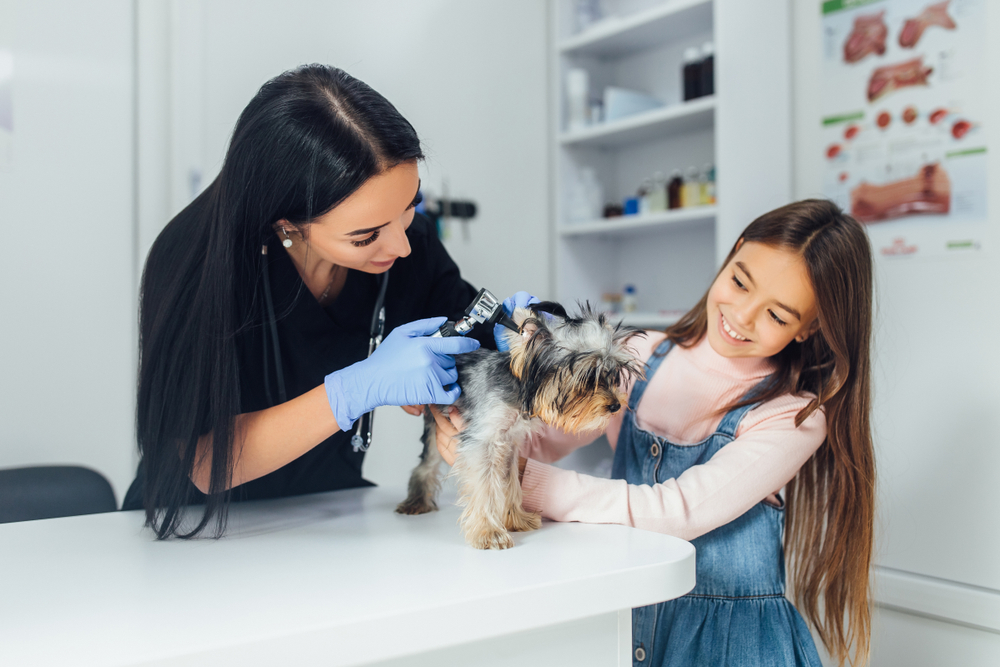
When a pet experiences trauma, immediate and advanced medical support can play a major role in recovery. Injuries from car accidents, falls, bite wounds, or other emergencies can affect breathing, circulation, pain levels, and internal organs all at once. Critical care is designed to stabilize these patients, monitor them closely, and support them through the most serious stage of treatment.
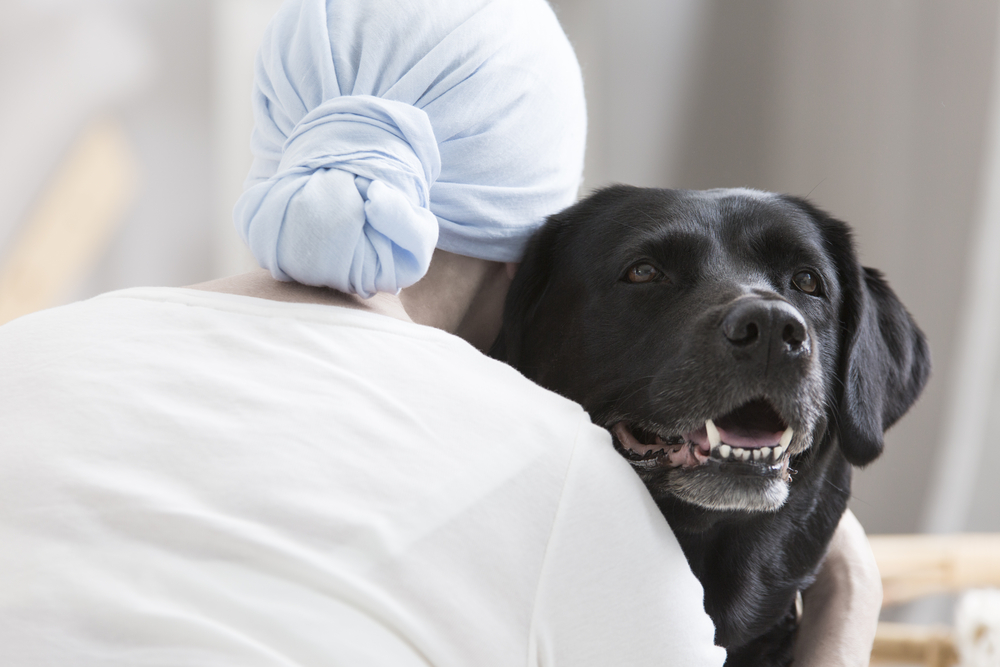
Cancer is one of the leading health concerns for pets today, and veterinary oncology plays a crucial role in diagnosing and treating this complex disease.

Phone
Hours
24 Hours A Day / 7 Days A Week
Affiliate Hospital
NorthStar VETS
(609) 259-8300
3 New Jersey Locations
northstarvets.com
© 2026 Philadelphia Animal Specialty & Emergency. All rights Reserved.
Privacy Policy - Sitemap
Powered by