Call Us: (267) 727-3738

Breathing Changes in Pets: When Emergency Veterinary Care Is Needed
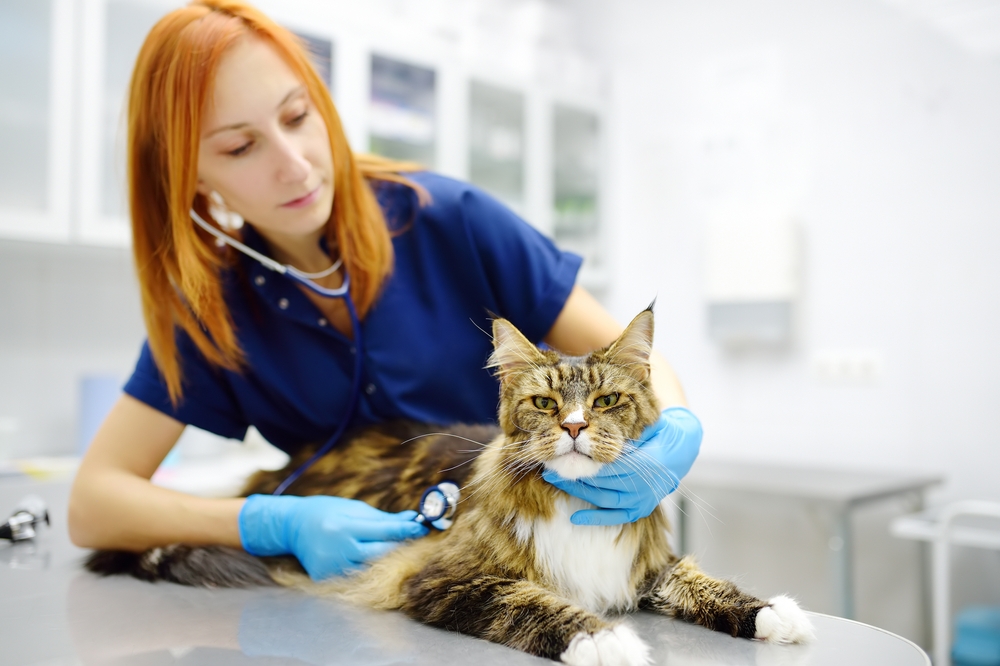
Changes in your pet's breathing should never be ignored. While some breathing changes occur after exercise or excitement, others signal serious medical conditions that require immediate veterinary attention. Recognizing the warning signs helps pet owners know when to seek emergency veterinary care.
Signs Your Pet Is Having Trouble Breathing
Dogs naturally pant to regulate body temperature, especially after physical activity. However, persistent heavy breathing at rest or unusual respiratory sounds suggest an underlying problem. Cats typically breathe quietly through their noses, making open-mouth breathing particularly concerning.
Watch for these signs of respiratory distress:
- Rapid breathing at rest: Breathing faster than normal without recent exercise or excitement.
- Labored breathing: Visible chest or abdominal movements that indicate increased effort to breathe.
- Open-mouth breathing in cats: Panting or breathing through the mouth, which requires immediate veterinary attention.
- Unusual breathing sounds: Wheezing, gasping, or harsh noises during breathing.
- Discolored gums: Pale, blue, or gray gums that indicate a potentially serious medical emergency.
- Weakness or collapse: Difficulty standing, extreme fatigue, or collapsing alongside breathing problems.
If your pet displays these symptoms, seek ER veterinary care immediately rather than waiting for improvement.
What Causes Breathing Problems in Pets?
Breathing difficulties develop for several reasons, including trauma, respiratory infections, heart disease, allergic reactions, airway obstructions, and fluid accumulation around the lungs.
Heatstroke and physical injuries also contribute to respiratory distress. Certain breeds, particularly short-nosed dogs such as Bulldogs and Pugs, face increased risks of breathing complications.
Determining the cause requires a veterinary examination, especially when symptoms appear suddenly or worsen.
What to Do During a Breathing Emergency
If your pet is struggling to breathe, minimize physical activity and unnecessary handling. Keep your pet calm and transport them to an emergency veterinary hospital immediately.
Avoid forcing food, water, or medications into your pet's mouth. Keep the vehicle comfortably cool and allow your pet to remain in a position that makes breathing easier.
If possible, contact the emergency hospital while traveling so the veterinary team knows you're coming. However, do not delay transportation to make a phone call.
How Our ER Treats Breathing Emergencies
At Philadelphia Animal Specialty & Emergency (PASE), our emergency veterinary team is available 24 hours a day, seven days a week. When your pet arrives, we assess their condition and prioritize immediate medical needs. Depending on the severity of their symptoms, treatment involves medications, oxygen support, and diagnostic testing. Our emergency service is well equipped to handle respiratory emergencies. Our facility is capable of blood work, diagnostic imaging, pulse oximetry, oxygen support, and more, as well as having the support of two board certified emergency and critical care specialists.
When to Visit Our ER Vet in Philadelphia
If you're searching for an emergency vet near Philadelphia because your pet is experiencing abnormal breathing, immediate evaluation is essential. Our veterinary emergency and specialty hospital in Philadelphia provides around-the-clock emergency services for dogs and cats experiencing any emergency, including respiratory distress .
If your pet is struggling to breathe, visit Philadelphia Animal Specialty & Emergency (PASE) located at 2100 Washington Avenue, Philadelphia PA, for immediate emergency veterinary care. Contact us by calling (267) 727-3738 for assistance or bring your pet directly to our emergency department.

Phone
Hours
24 Hours A Day / 7 Days A Week
Affiliate Hospital
NorthStar VETS
(609) 259-8300
3 New Jersey Locations
northstarvets.com
© 2026 Philadelphia Animal Specialty & Emergency. All rights Reserved.
Privacy Policy - Sitemap
Powered by