Call Us: (267) 727-3738

How Critical Care Helps Pets Recover After Trauma
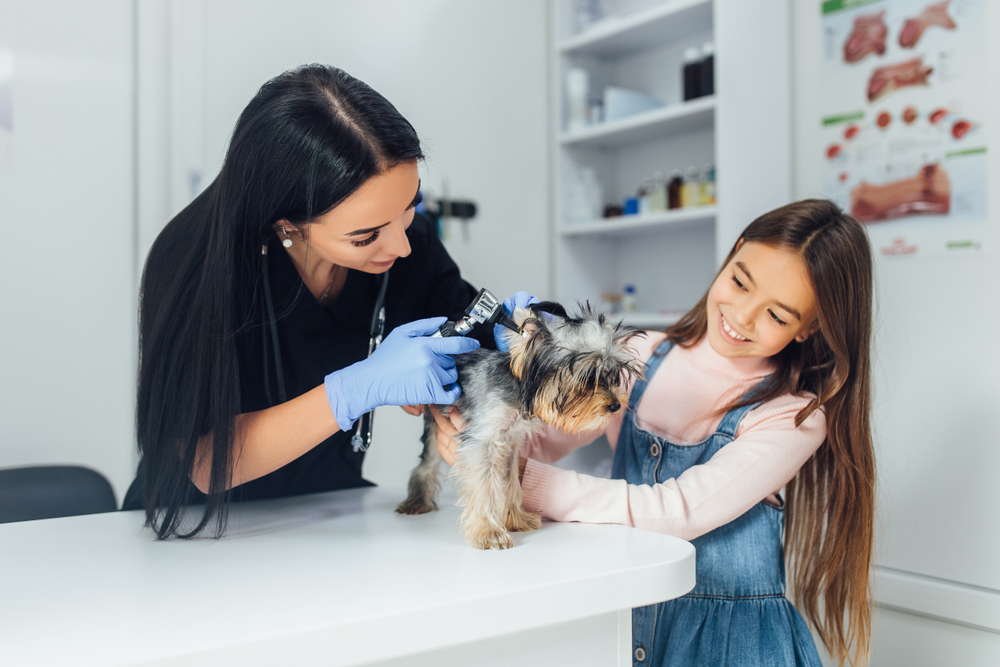
When a pet experiences trauma, immediate and advanced medical support can play a major role in recovery. Injuries from car accidents, falls, bite wounds, or other emergencies can affect breathing, circulation, pain levels, and internal organs all at once. Critical care is designed to stabilize these patients, monitor them closely, and support them through the most serious stage of treatment.
Trauma Often Requires More Than Initial Emergency Care
Emergency treatment is focused on the first priorities, such as controlling bleeding, supporting breathing, and addressing shock. But after those first steps, many pets still need intensive monitoring and medical support. That is where critical care becomes essential.
A traumatized pet may appear more stable after emergency intervention, but complications can still develop over the next several hours or days. Ongoing hospitalization and close observation help ensure those changes are caught early.
Critical Care Supports Complex and Unstable Patients
Critical care treats more than trauma alone. Our service supports pets facing a wide range of serious conditions, including diabetic ketoacidosis, polytrauma, septic abdomen before and after surgery, parvovirus, severe urethral obstructions with azotemia or hyperkalemia, respiratory distress, toxicities, heart failure, and other life-threatening emergencies.
This broad scope matters because trauma patients may also have other life-threatening issues happening at the same time. A pet recovering from an accident may need help managing pain, blood pressure, oxygen levels, infection risk, or organ function throughout hospitalization.
What Critical Care May Involve
Each patient’s treatment plan depends on their condition, but critical care often includes several layers of support, such as:
• IV fluids and circulatory support
• Oxygen therapy for pets with breathing difficulty
• Advanced pain management
• Frequent bloodwork and vital sign monitoring
• Support before and after emergency surgery
• Treatment for shock, infection, or organ dysfunction
This level of care helps pets remain stable while their body begins to recover.
Why Continuous Monitoring Matters
One of the most important parts of critical care is constant reassessment. Trauma patients can change quickly, and subtle shifts in breathing, heart rate, blood pressure, or lab values may signal the need for immediate action. Close monitoring allows the veterinary team to respond quickly and adjust treatment as needed.
This is especially important for pets with polytrauma or injuries involving multiple body systems, where recovery can be unpredictable.
Expert Care for Pets Facing Medical Emergencies
Critical care often works alongside emergency medicine, surgery, and diagnostic services to give pets comprehensive support. Our team-based approach helps ensure that both the immediate injury and any related complications are managed carefully. At Philadelphia Animal Specialty & Emergency, our critical care team treats pets with serious and unstable conditions while providing the close monitoring they need after trauma and other medical emergencies.
Contact Philadelphia Animal Specialty & Emergency to learn more about critical care for pets recovering after trauma. Call our office in Philadelphia, PA at (267) 727-3738 to book an appointment today.

Phone
Hours
24 Hours A Day / 7 Days A Week
Affiliate Hospital
NorthStar VETS
(609) 259-8300
3 New Jersey Locations
northstarvets.com
© 2026 Philadelphia Animal Specialty & Emergency. All rights Reserved.
Privacy Policy - Sitemap
Powered by