Call Us: (267) 727-3738

Post-op Care: How To Keep Your Pet Calm And Cool After Major Surgery In Philadelphia
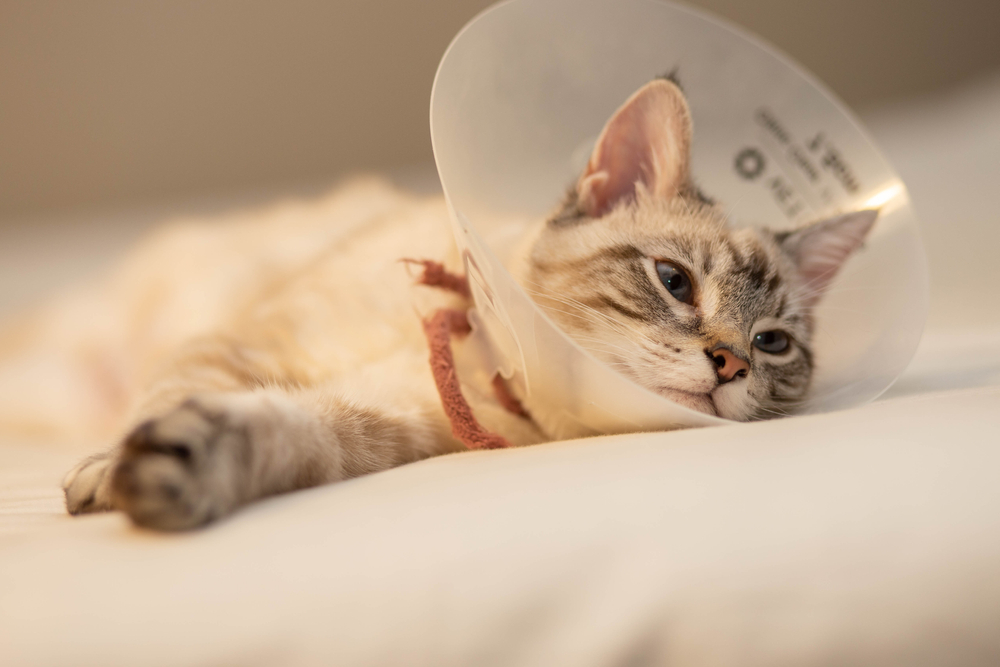
Post-op Care: How To Keep Your Pet Calm And Cool After Major Surgery In Philadelphia
After major surgery, your pet needs more than rest. Careful post-op care helps protect the surgical site, reduce stress, and support a smoother recovery at home. For pet owners in Philadelphia, knowing how to keep a dog or cat calm and cool after surgery is especially important during warm weather, busy household routines, and the first few days after discharge.
Follow The Surgical Team’s Instructions Closely
Your pet’s recovery plan should always start with the instructions provided by the veterinary surgery team. These directions may include medication timing, activity limits, feeding guidance, incision monitoring, and follow-up appointments. Even if your pet seems comfortable, do not adjust medications, remove an e-collar, or increase activity without veterinary guidance.
Post-op care after major surgery is not one-size-fits-all. Orthopedic procedures, soft tissue surgery, emergency surgery, and oncologic surgery may each require different restrictions. If anything seems unclear, contact your veterinary team before making changes at home.
Create A Quiet Recovery Area
Pets often feel confused, tired, or restless after surgery. A calm recovery space can help reduce unnecessary movement and stress. Choose a quiet room away from stairs, furniture they may jump on, children, and other pets.
A crate, playpen, or small enclosed area often works well for dogs. Cats may do better in a small room with easy access to food, water, and a litter box. Keep bedding clean, low to the ground, and easy to step onto without climbing.
Keep Your Pet Cool Without Overcooling
Philadelphia summers can make post-op recovery more uncomfortable, especially for pets wearing bandages, cones, or surgical garments. Keep the recovery area comfortably cool with air conditioning or a fan that does not blow directly on your pet.
Avoid outdoor heat, direct sunlight, and warm rooms. Short bathroom breaks should be kept brief and controlled. If your pet is panting heavily, seems weak, or appears unable to settle, contact your veterinarian.
Watch For Changes During Recovery
The first few days after major surgery are important. Your pet may be sleepy, less hungry, or mildly uncomfortable, but certain signs should not be ignored.
Monitor your pet for:
• Swelling, redness, bleeding, discharge, or opening at the incision site
• Vomiting, diarrhea, refusal to eat, or inability to keep medications down
• Heavy panting, weakness, collapse, or unusual breathing
• Crying, shaking, hiding, aggression, or signs of uncontrolled pain
• Chewing, licking, or scratching at the surgical area
If you notice concerning symptoms, call your veterinary team promptly. Early communication can help prevent complications from becoming more serious.
Limit Activity Even When They Feel Better
One of the hardest parts of post-op care is keeping a pet calm once they start acting normal again. Jumping, running, stairs, rough play, and slippery floors can strain healing tissues and affect recovery. Use a leash for bathroom breaks, block access to furniture, and keep excitement low when visitors come over.
Mental enrichment can help without adding physical stress. Puzzle feeders, gentle attention, calming music, and quiet companionship can make recovery easier while still respecting activity restrictions.
Support A Safe Healing Routine
Consistency helps pets feel secure after surgery. Give medications on schedule, check the incision daily, keep follow-up visits, and maintain a peaceful environment. Good post-op care in Philadelphia starts with preparation, patience, and close communication with your veterinary team.
If your pet needs expert surgical care or post-op support, contact Philadelphia Animal Specialty & Emergency. Call our office in Philadelphia, PA at (267) 727-3738 to book an appointment today.

Phone
Hours
24 Hours A Day / 7 Days A Week
Affiliate Hospital
NorthStar VETS
(609) 259-8300
3 New Jersey Locations
northstarvets.com
© 2026 Philadelphia Animal Specialty & Emergency. All rights Reserved.
Privacy Policy - Sitemap
Powered by