Call Us: (267) 727-3738

Understanding Brain and Nerve Disorders in Pets
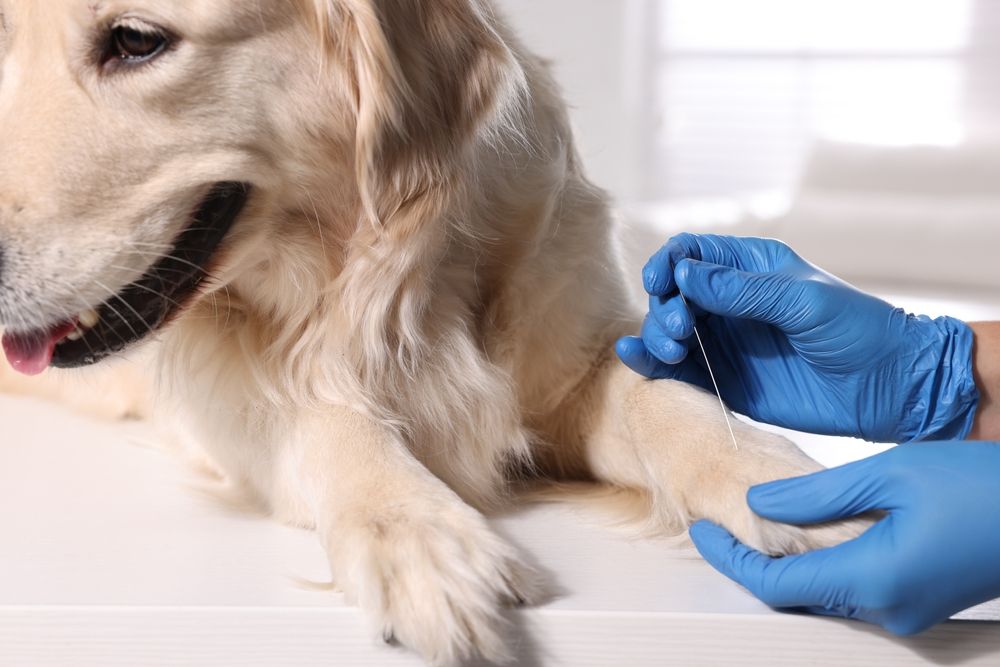
Brain and nerve disorders in pets can affect movement, balance, behavior, and overall quality of life. These conditions involve the brain, spinal cord, nerves, or muscles, and they often require prompt veterinary evaluation. Early diagnosis is important because some neurologic problems can progress quickly or mimic other health issues.
Common Neurologic Conditions in Pets
Common neurologic conditions in pets include seizures, intervertebral disc disease, vestibular disease, inflammatory brain disease, nerve injuries, and certain tumors. Symptoms can appear suddenly or develop over time, depending on the underlying cause. Because the nervous system controls so many body functions, even a small problem can lead to noticeable changes at home.
Signs Pet Owners Should Watch For
Some symptoms of brain and nerve disorders are easy to spot, while others are more subtle. Pet owners should pay attention to changes such as:
- Seizures or episodes of collapse
- Trouble walking, weakness, or dragging limbs
- Head tilt, loss of balance, or circling
- Neck or back pain
- Sudden behavior changes or confusion
- Tremors or unusual eye movements
These signs do not always mean a pet has the same condition, but they do suggest the need for a thorough neurologic exam.
Why an Accurate Diagnosis Is Crucial
Neurologic symptoms can overlap with orthopedic problems, internal illness, and toxin exposure. That is why accurate testing is so important. Our veterinary team may recommend a physical exam, neurologic assessment, imaging, spinal fluid analysis, or other diagnostics to identify where the problem is located and what may be causing it. Advanced imaging such as MRI can be especially helpful for evaluating the brain and spinal cord.
Treatment Depends on the Cause
Treatment for brain and nerve disorders in pets is not one size fits all. Some pets improve with medication and monitoring, while others may need surgery, hospitalization, or long-term management. Seizure disorders may require anti-seizure medication. Spinal conditions may call for rest, pain control, or neurosurgery. Inflammatory conditions may need targeted medical therapy. The right plan depends on a clear diagnosis and close follow-up.
When to Seek Veterinary Care Right Away
A pet showing sudden paralysis, repeated seizures, severe pain, collapse, or major balance problems should be seen as soon as possible. Neurologic emergencies can worsen without timely care. Fast action can improve comfort, protect function, and give your pet the best chance at recovery.
If your pet is showing signs of a brain or nerve disorder, contact PASE to learn more about diagnosis and treatment options for neurologic disorders. Call our office in Philadelphia, PA at (267) 727-3738 to book an appointment today.

Phone
Hours
24 Hours A Day / 7 Days A Week
Affiliate Hospital
NorthStar VETS
(609) 259-8300
3 New Jersey Locations
northstarvets.com
© 2026 Philadelphia Animal Specialty & Emergency. All rights Reserved.
Privacy Policy - Sitemap
Powered by