Call Us: (267) 727-3738

Why Is My Dog Licking Its Paws? Autumn Allergic Reactions & Urban Chemical Hazards
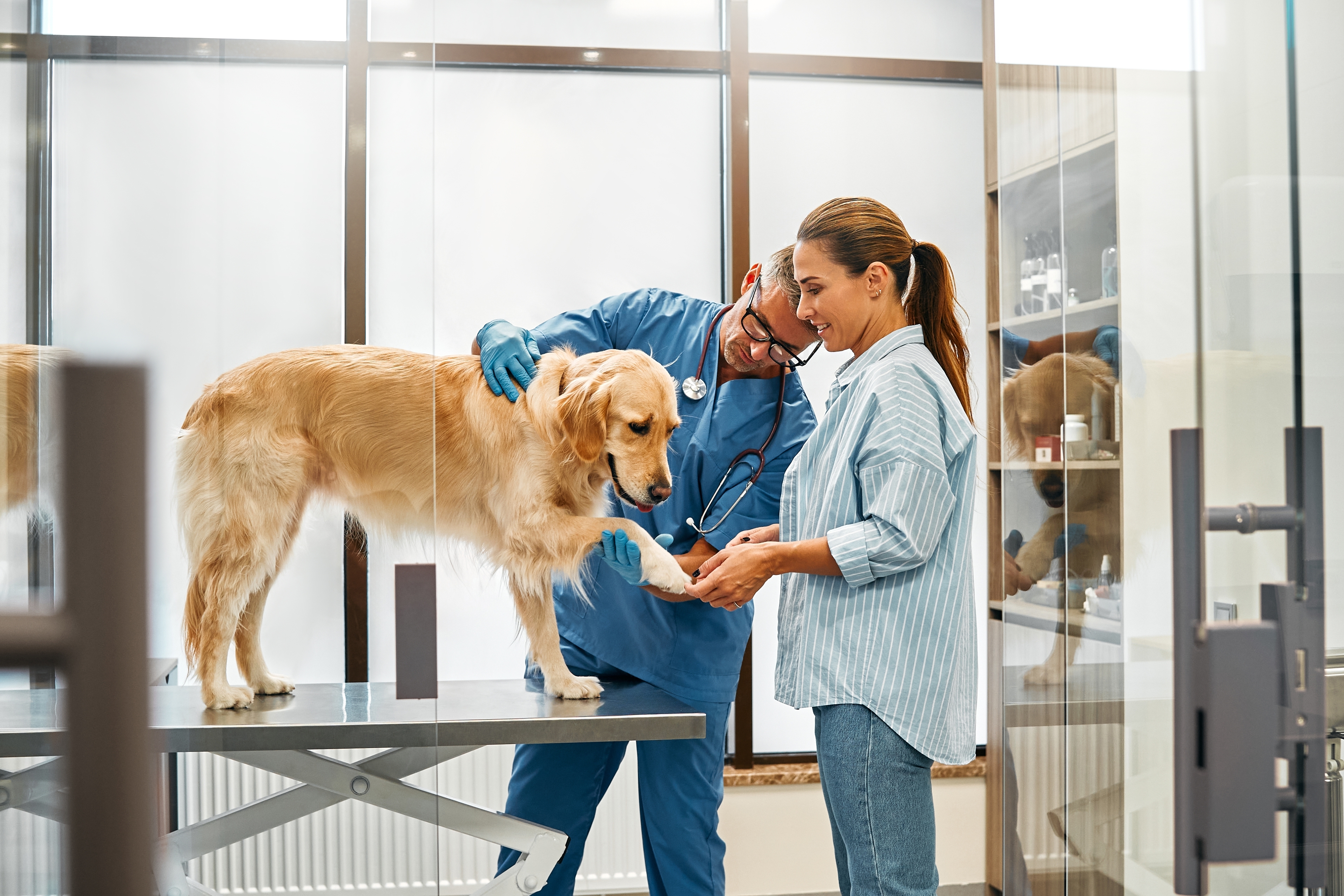
If your dog starts licking or chewing its paws after a walk through Philadelphia, it may be more than a grooming habit. Autumn brings environmental allergens, damp leaves, seasonal debris, and potential chemical irritants that can make a dog's paws itchy or uncomfortable. Paying attention to when the licking occurs and what the paws look like can help you determine when veterinary care may be needed.
Why Fall Can Trigger Itchy Paws
Dogs can develop environmental allergies to substances they encounter outdoors. During autumn, pollen, grasses, weeds, mold spores, and decomposing leaves can collect on the paws and between the toes. Sensitive dogs may develop itching, redness, or inflammation after walking through areas where these allergens are concentrated.
Repeated licking can make the problem worse. Moisture from saliva can further irritate the skin and may contribute to secondary skin infections if the behavior continues.
Urban Chemicals Can Also Irritate Your Dog's Paws
Philadelphia sidewalks, parks, and landscaped areas can expose pets to more than seasonal allergens. Fertilizers, herbicides, pesticides, cleaning products, and other residues may remain on grass or pavement. As temperatures drop later in the season, sidewalk treatments and deicing products can also become a concern.
After walks, consider wiping your dog's paws with a clean, damp cloth or rinsing them with lukewarm water. This simple step can help remove pollen, dirt, and potential irritants before your dog licks them off.
Signs That Paw Licking Needs Attention
Occasional paw licking is not always concerning, but persistent or sudden licking deserves a closer look. Watch for:
- Redness, swelling, or irritated skin between the toes
- Frequent chewing or licking that is difficult to interrupt
- Limping or reluctance to put weight on a paw
- Cuts, cracked paw pads, or foreign material stuck in the paw
- Discharge, odor, sores, or hair loss
- Facial swelling, hives, vomiting, weakness, or difficulty breathing
Severe allergic reactions, significant swelling, breathing problems, or sudden weakness require prompt emergency veterinary attention.
Could Something Be Stuck in the Paw?
Allergies are not the only explanation for a dog licking its paws after a walk. Small pieces of plant material, splinters, broken glass, gravel, or other debris can become lodged between the toes or injure a paw pad.
Gently inspect the paw if your dog suddenly focuses on one foot. Avoid digging into the skin or attempting to remove deeply embedded material yourself, as this can cause additional injury.
Veterinary Care for More Serious Symptoms
At Philadelphia Animal Specialty & Emergency, our emergency department is open 24 hours a day, seven days a week. We also provide specialty services including internal medicine and advanced diagnostic imaging when a pet's symptoms require a more extensive evaluation.
For persistent paw licking without emergency signs, contact your regular veterinarian to identify the cause and discuss treatment. If symptoms are severe, you suspect a chemical exposure, or your pet has emergency warning signs, seek emergency veterinary care immediately. Call Philadelphia Animal Specialty & Emergency in Philadelphia, PA, at (267) 727-3738 for guidance; our emergency department is open 24/7.

Phone
Hours
24 Hours A Day / 7 Days A Week
Affiliate Hospital
NorthStar VETS
(609) 259-8300
3 New Jersey Locations
northstarvets.com
© 2026 Philadelphia Animal Specialty & Emergency. All rights Reserved.
Privacy Policy - Sitemap
Powered by